

Introduction
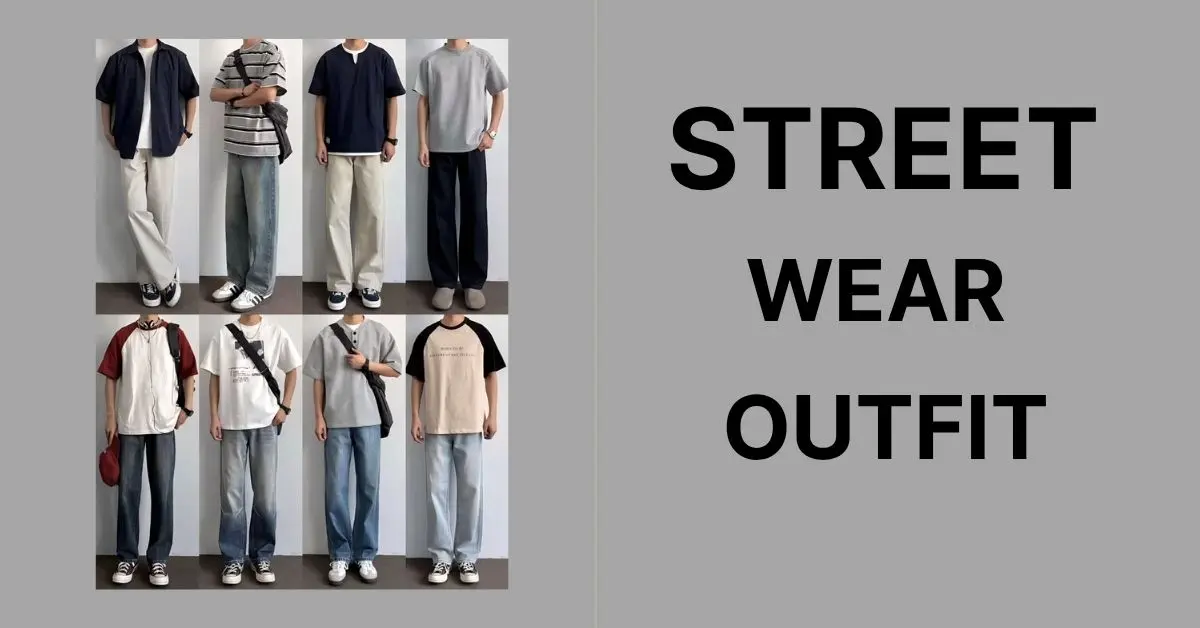
Building a personal style does not need to feel difficult or expensive. Today, the street casual outfit men trend gives every man a simple way to dress with confidence while staying comfortable. It mixes relaxed clothing with modern style ideas that work for daily life. Whether you are going to college, meeting friends, walking around the city, or heading to a casual workplace, this style can fit almost every situation.
Many beginners think fashion requires designer labels or expensive collections. However, great style often starts with basic clothing pieces and smart combinations. Street fashion focuses more on balance, comfort, and personality than on strict rules. That is why many people are now exploring men’s street style and trying new looks that feel natural.
This guide will help beginners and intermediate readers understand how to create better outfits without stress. You will learn what this fashion style means, why it matters, and how to build your own look step by step. You will also discover outfit examples, common mistakes, benefits, and expert suggestions. By the end, creating stylish casual streetwear for men will feel easier and more practical.
What is street casual outfit men?
The term street casual outfit men describes a fashion style that combines everyday comfort with modern street-inspired fashion. It takes ideas from urban culture, sneakers, music, sports, and current fashion trends.
Unlike formal fashion, this style allows flexibility. You can wear jeans, oversized shirts, sneakers, hoodies, joggers, jackets, and accessories in different combinations.
A few common examples include:
- White sneakers with slim jeans and a hoodie
- Cargo pants with a fitted shirt and denim jacket
- Oversized t-shirts with joggers and caps
- Layered outfits with jackets and basic tees
Most urban fashion outfits focus on self-expression while keeping comfort a priority.
Why is street casual outfit men Important?
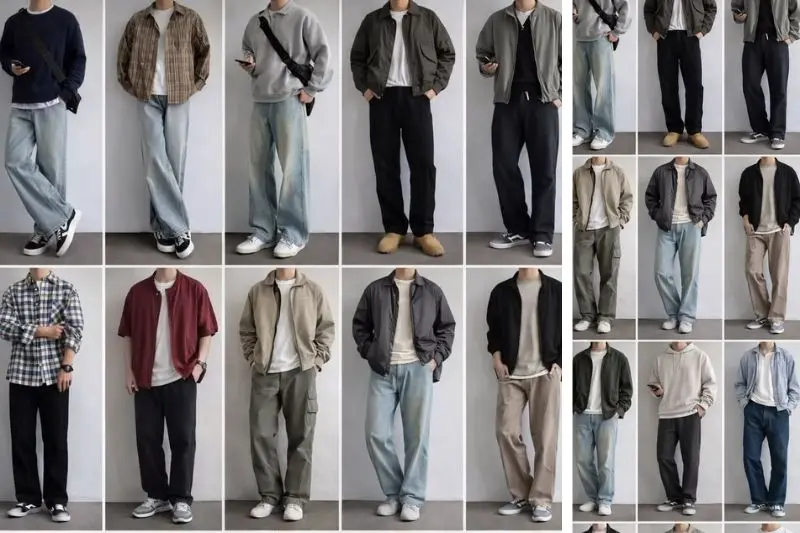
Fashion affects first impressions. People often notice appearance before conversation. Clothing may influence confidence, social interactions, and even mood.
Here are reasons this style matters:
- It helps create a strong personal image.
- It offers comfort for daily activities.
- It works for many age groups.
- It allows flexibility across seasons.
- It supports creativity.
Also, street casual outfit men fashion is practical. You can wear similar pieces in different ways without buying an entirely new wardrobe.
Detailed Step-by-Step Guide
Step 1: Start With Basic Clothing Pieces
Build your wardrobe around essentials. Start with simple colors before buying bold designs.
Examples:
- Plain white t-shirts
- Black jeans
- Neutral hoodies
- Sneakers
- Denim jackets
Basics create strong foundations for men’s street style.
Step 2: Focus on Proper Fit
Fit changes everything. Clothing that is too tight may feel uncomfortable. Extremely loose clothing may appear messy.
Try these guidelines:
- T-shirts should sit naturally on shoulders.
- Pants should not drag heavily.
- Hoodies should feel relaxed but balanced.
- Jackets should allow movement.
Street fashion often includes oversized clothing, but oversized should still look intentional.
Step 3: Build Around Sneakers
Sneakers are central in many street looks.
Popular options include:
- White sneakers
- Chunky sneakers
- High-top sneakers
- Skate-inspired shoes
Good shoes can improve even simple urban fashion outfits.
Step 4: Learn Layering
Layering adds depth and style.
Simple layering combinations:
- T-shirt with flannel shirt
- Hoodie under denim jacket
- Long coat over plain tee
- Bomber jacket with jeans
Start simple before creating complex combinations.
Step 5: Add Small Accessories
Accessories complete an outfit.
Examples:
- Watches
- Caps
- Rings
- Chains
- Crossbody bags
Use only a few items. Too many accessories create visual clutter.
Step 6: Use Color Carefully
Many beginners wear random colors together.
Instead, follow simple ideas:
- Use neutral shades first
- Add one standout color
- Match shoes with another item
- Avoid excessive patterns
Balance often creates stronger results.
Step 7: Create Outfit Rotation
Do not wear the same combination every day.
Example weekly rotation:
Monday: Black jeans, white sneakers, gray hoodie
Wednesday: Cargo pants, plain shirt, denim jacket
Friday: Joggers, oversized tee, sneakers
Small changes keep your style fresh.
Step 8: Understand Your Body Shape
Body shape influences how clothing looks. Two men can wear the same outfit and get different results. Learning your proportions helps you choose pieces that create balance.
Helpful ideas include:
- Taller men can experiment with layers
- Shorter men often benefit from cleaner lines
- Broad shoulders pair well with fitted bottoms
- Slim body types can use layered clothing
Do not chase trends without considering fit. Fashion should support your natural shape rather than fight against it.
Step 9: Choose Fabrics Wisely
Fabric affects comfort and appearance. Some materials look great in photos but feel uncomfortable during long days.
Common choices include:
- Cotton for daily wear
- Denim for structure
- Fleece for colder weather
- Linen for warmer seasons
- Blended fabrics for flexibility
Good fabric choices improve the overall feel of a street casual outfit men wardrobe.
Step 10: Dress According to Seasons
Weather changes should influence clothing choices. Great style also means practical decision making.
Summer outfit ideas:
- Oversized tee with shorts
- Lightweight sneakers
- Baseball cap
- Minimal accessories
Winter outfit ideas:
- Hoodie with puffer jacket
- Dark jeans
- Boots or sneakers
- Beanie
Spring outfit ideas:
- Denim jacket
- Layered shirt
- Neutral sneakers
Fall outfit ideas:
- Cargo pants
- Flannel shirt
- Light jacket
Seasonal adjustments help your clothing remain useful throughout the year.
Step 11: Learn Simple Outfit Formulas
Many people struggle because they overthink combinations. Outfit formulas remove confusion.
Easy combinations include:
- Plain tee plus jeans plus sneakers
- Hoodie plus joggers plus cap
- Jacket plus shirt plus cargo pants
- Oversized tee plus fitted pants plus sneakers
- Sweatshirt plus jeans plus watch
These formulas create reliable looks for daily use.
Step 12: Build Confidence Slowly
Confidence and style grow together. If you suddenly change everything, you may feel uncomfortable.
Start small:
- Try new shoes first
- Add one jacket
- Experiment with one accessory
- Test different colors
Gradual changes feel more natural.
Step 13: Study Inspiration Carefully
Inspiration helps, but copying every trend creates problems.
Look at:
- Daily street photography
- Fashion magazines
- Athletes
- Musicians
- Local fashion trends
Observe combinations rather than exact clothing pieces.
Step 14: Keep Clothing Organized
A messy wardrobe creates frustration. You may forget what you already own.
Simple organization tips:
- Fold t-shirts by color
- Separate jackets
- Store shoes properly
- Remove unused clothing
Organization saves time and reduces unnecessary purchases.
Step 15: Create Signature Details
Strong personal style often includes recognizable details.
Examples include:
- Always wearing clean white sneakers
- Wearing a favorite watch
- Choosing neutral colors
- Using layered jackets
Small details make outfits memorable.
Many people think fashion means standing out loudly. However, consistency often creates stronger style than extreme choices.
Additional Outfit Examples
Sometimes seeing combinations makes fashion easier to understand.
College look:
- Gray hoodie
- Blue jeans
- White sneakers
- Cap
Weekend city look:
- Cargo pants
- Black t-shirt
- Denim jacket
- Crossbody bag
Coffee meetup look:
- Oversized shirt
- Slim trousers
- Sneakers
- Watch
Travel day look:
- Joggers
- Sweatshirt
- Comfortable shoes
- Light jacket
Simple combinations often outperform complicated ones.
Style Rules That Actually Help
Fashion rules are changing, but a few ideas still matter.
Useful rules include:
- Keep shoes clean
- Prioritize fit
- Avoid excessive branding
- Mix comfort with structure
- Wear clothing confidently
Rules should guide decisions rather than limit creativity.
Benefits of street casual outfit men
- Comfortable enough for daily movement
- Easy for beginners to understand
- Fits different body types
- Supports self-expression
- Works in many social settings
- Helps improve confidence
- Can match different budgets
- Allows clothing reuse
- Creates versatile outfit combinations
- Blends style and function
More Benefits of street casual outfit men
Beyond appearance, this style offers lifestyle advantages.
- Supports movement during busy days
- Works for social events
- Helps reduce wardrobe stress
- Encourages personal creativity
- Allows seasonal flexibility
- Supports mixing old and new clothing
- Creates easier shopping decisions
- Helps beginners learn fashion basics
Many men discover that building a few smart combinations reduces morning decision fatigue.
Disadvantages / Risks
- Trends can change quickly
- Oversized fashion may become excessive
- Branded items can become expensive
- Following trends blindly reduces originality
- Poor color matching hurts appearance
- Wrong fit can ruin an outfit
- Too many accessories create clutter
- Some workplaces prefer formal styles
- More Disadvantages and Risks
Every style category has limitations.
Additional concerns include:
- Social pressure from trend culture
- Overspending on unnecessary pieces
- Buying hype products
- Chasing online validation
- Ignoring practical needs
Fashion should improve your life rather than become a financial burden.
Common Mistakes to Avoid
Many people copy trends without understanding balance. This often creates weak outfits.
Avoid these mistakes:
- Buying clothing only because it is popular
- Ignoring body shape
- Wearing dirty sneakers
- Mixing too many loud patterns
- Choosing comfort over appearance every time
- Wearing oversized pieces from head to toe
- Forgetting grooming and hygiene
- Using too many accessories
For example, wearing oversized pants, oversized hoodies, and oversized jackets together may remove shape from your outfit.
Street fashion still needs structure.
More Common Mistakes to Avoid
Beginners often repeat similar problems.
Mistake number one involves copying social media outfits exactly. Online photos may use special lighting, editing, and professional styling.
Mistake number two is ignoring proportions. Baggy tops and baggy bottoms together can remove visual balance.
Mistake number three is buying many colors without planning combinations. Neutral pieces often work better initially.
Mistake number four is focusing only on clothing while forgetting posture. Standing confidently improves appearance.
Mistake number five is wearing worn-out shoes. Shoes attract attention quickly.
Finally, avoid dressing for trends while ignoring comfort. Clothing should fit your lifestyle.
FAQs
Can beginners create a street casual outfit men look easily?
Yes. Beginners should start with basic shirts, jeans, sneakers, and jackets. Build confidence with simple combinations before exploring stronger trends.
Are expensive brands necessary?
No. Fashion depends more on fit and styling than logos. Affordable stores can create stylish results.
Which shoes work best?
White sneakers remain one of the easiest choices because they match many outfit combinations.
Can older men wear this style?
Yes. Street fashion works across age groups. Adjust clothing choices according to comfort and personality.
Is casual streetwear for men suitable for every season?
Mostly yes. Summer may include lightweight shirts and shorts. Winter may include hoodies and layered jackets.
How many clothing items should beginners buy first?
Start with around ten to fifteen flexible pieces. Quality matters more than quantity.
Expert Tips & Bonus Points
Use these practical ideas:
- Keep sneakers clean
- Take mirror photos for review
- Follow inspiration carefully
- Understand body proportions
- Choose quality basics
- Learn seasonal layering
- Try one trend at a time
- Invest slowly
- Build confidence gradually
Bonus example:
A black hoodie, fitted jeans, white sneakers, and a simple watch create a clean outfit without effort.
Another strong idea includes cargo pants, layered shirts, and minimalist sneakers.
The goal is not copying everyone else. Personal style develops over time.
Real Life Style Scenarios
Understanding situations helps you choose clothing faster. Daily life rarely follows one fashion formula, so flexibility matters.
Scenario one: meeting friends after work.
You can wear dark jeans, a plain shirt, white sneakers, and a lightweight bomber jacket. This combination feels relaxed without appearing careless.
Scenario two: a casual office environment.
Choose fitted trousers, clean sneakers, and a simple sweatshirt. Add a structured jacket for a cleaner appearance.
Scenario three: weekend shopping.
Comfort becomes important. Joggers, sneakers, and an oversized tee create a relaxed look for long walking hours.
Scenario four: evening city events.
Layer a hoodie under a denim jacket and pair it with dark pants. Small changes create stronger visual impact.
These examples show that street fashion can adapt to different moments.
Budget Tips for Beginners
Many people think style requires large spending. That belief often creates hesitation.
Save money with these ideas:
- Buy versatile basics first
- Wait before buying trends
- Compare quality and price
- Choose neutral colors
- Rewear favorite pieces differently
- Focus on long-term value
For example, one black jacket may work with ten different outfits.
Smart shopping creates stronger wardrobes than impulsive buying.
Final Expert Thoughts
Fashion is not a competition. Many people spend years trying to impress others while ignoring comfort and identity.
The strongest street casual outfit men choices usually look effortless. They appear simple because thoughtful decisions happen behind the scenes.
Remember these final principles:
- Style develops through repetition
- Confidence improves presentation
- Simplicity often wins
- Personal taste matters
- Small upgrades create large changes
Stay patient during the process. Better style rarely happens overnight.
Quick Wardrobe Checklist
Before building new looks, create a simple checklist. This helps avoid random purchases and keeps your wardrobe balanced.
Essential tops:
- White t-shirt
- Black t-shirt
- Neutral hoodie
- Sweatshirt
- Oversized shirt
Essential bottoms:
- Dark jeans
- Cargo pants
- Joggers
- Straight-fit trousers
Essential shoes:
- White sneakers
- Black sneakers
Essential outerwear:
- Denim jacket
- Bomber jacket
Accessories:
- Watch
- Cap
- Crossbody bag
This checklist gives beginners a practical starting point.
Another useful strategy is the one in, one out rule. When buying a new item, consider removing an older piece you never wear. This keeps wardrobes organized and prevents clutter.
You should also pay attention to clothing condition. Faded shirts, damaged shoes, and stretched fabric can reduce the impact of good styling choices.
Finally, remember that building a wardrobe takes time. Buying everything at once usually leads to regret. Slow improvement often creates smarter fashion decisions and stronger long-term style habits for everyday life and personal growth.
Small Habits That Improve Style
Daily habits influence appearance more than people realize. Great outfits lose impact when basic habits are ignored.
Helpful habits include:
- Iron clothing when needed
- Store shoes correctly
- Wash clothes carefully
- Check outfit balance in mirrors
- Plan clothing the night before
Another smart habit involves reviewing your outfits weekly. Notice what combinations felt comfortable and which pieces stayed unused.
Over time, patterns become easier to recognize. You may discover favorite colors, preferred fits, and reliable combinations.
Fashion success usually comes from repeated small actions rather than one dramatic wardrobe change. Consistency creates better results than constant experimentation for most beginners.
Extra reminder: comfort and appearance should work together. If clothing looks great but feels uncomfortable, you probably will not wear it often. The most practical wardrobes support daily routines, movement, weather changes, and personal confidence. Focus on pieces that fit your life instead of chasing every temporary fashion trend or popular online recommendation today for better long term style success.
Conclusion
Fashion becomes easier when you stop chasing every trend and start understanding fundamentals. The street casual outfit men approach succeeds because it combines comfort, flexibility, and personality in a practical way. You do not need expensive wardrobes or expert fashion knowledge to begin. Small improvements often create stronger long-term results.
Throughout this guide, you learned how this style works, why it matters, and how to build better outfits step by step. You also discovered benefits, common mistakes, and helpful answers to important questions. These basics create a foundation that supports future style growth.
Remember that confidence develops through practice. Experiment with different pieces and notice what feels comfortable and natural. Try ideas from men’s street style inspiration but adapt them to your personality instead of copying everything directly.
Most importantly, focus on balance. Clean shoes, proper fit, thoughtful colors, and simple accessories often create better results than expensive clothing. As you continue learning, creating stylish urban fashion outfits and improving casual streetwear for men choices will become a natural part of daily life. Fashion should support your lifestyle, not complicate it.
