

Introduction
Understanding the types of luxury accessories can help you build a stylish, polished, and confident personal look without wasting money on the wrong items. Luxury accessories are more than small add-ons. They show taste, lifestyle, craftsmanship, and attention to detail. A simple outfit can look premium when paired with a fine watch, leather belt, silk scarf, elegant handbag, or quality sunglasses.
For beginners, the luxury world can feel confusing. There are many brands, materials, prices, and trends. Some pieces are timeless, while others lose value quickly. That is why learning these categories is useful before buying anything expensive.
The goal is not to own every designer item. Instead, it is to understand what each accessory does, how it improves your appearance, and when it is worth the investment. This guide explains designer accessories, premium fashion accessories, and luxury lifestyle accessories in simple language. You will learn how to choose pieces that match your personality, budget, wardrobe, and daily routine.
With the right approach, luxury becomes less about showing off and more about choosing useful beauty. Whether you are buying your first luxury item or refining an existing collection, this guide will help you make smarter choices and avoid pressure from short-lived fashion trends.
What Are Types of Luxury Accessories?
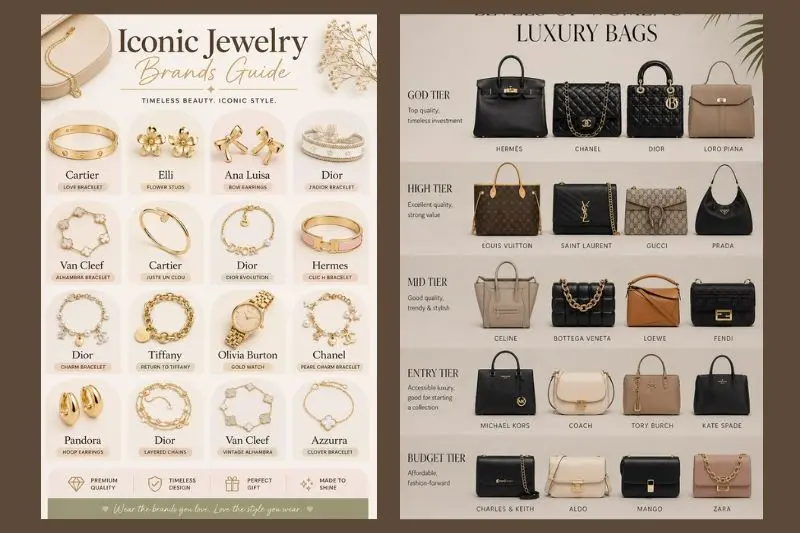
Luxury accessory types refer to the main categories of high-quality personal items used to complete, improve, or express a style. These items are usually made with premium materials, careful design, and skilled workmanship. They may come from famous designer houses, heritage brands, or independent luxury makers.
Common categories include watches, jewelry, handbags, wallets, belts, scarves, sunglasses, shoes, cufflinks, perfumes, tech cases, travel goods, and writing instruments. Each category has a different purpose. Some add beauty, some add function, and some create a strong personal signature.
A luxury accessory is not only expensive. A true luxury piece should feel special, last long, and offer better details than ordinary items. For example, a handcrafted leather wallet ages beautifully, while a well-made watch can serve for decades. The best accessories combine design, quality, comfort, and meaning. In simple terms, the item should make daily dressing easier, not harder, while still feeling beautiful and personal.
Why Luxury Accessory Types Are Important
Learning these categories is important because it helps you shop with purpose instead of impulse. Luxury purchases can be costly, so every decision should feel practical and personal.
Accessories also shape first impressions. A clean watch, neat bag, or classic belt can make casual clothing look more refined. In professional settings, these details can quietly suggest discipline and confidence.
This knowledge also protects you from fake items, poor quality, and overhyped trends. When you understand materials, stitching, hardware, movement, fit, and brand value, you can judge products more clearly.
Most importantly, accessories allow self-expression. Two people can wear the same suit or dress, but different accessories can completely change the mood. One person may look minimal and modern, while another may look bold, artistic, or traditional.
Detailed Step-by-Step Guide
Step 1: Start with Luxury Watches
Watches are among the most respected luxury pieces because they combine function, design, and engineering. A luxury watch can be formal, sporty, vintage, or modern.
Beginners should focus on:
- Case size that fits the wrist.
- Simple dial designs for daily use.
- Reliable mechanical or quartz movement.
- Stainless steel, gold, titanium, or ceramic materials.
- Service costs and warranty.
Step 2: Explore Fine Jewelry
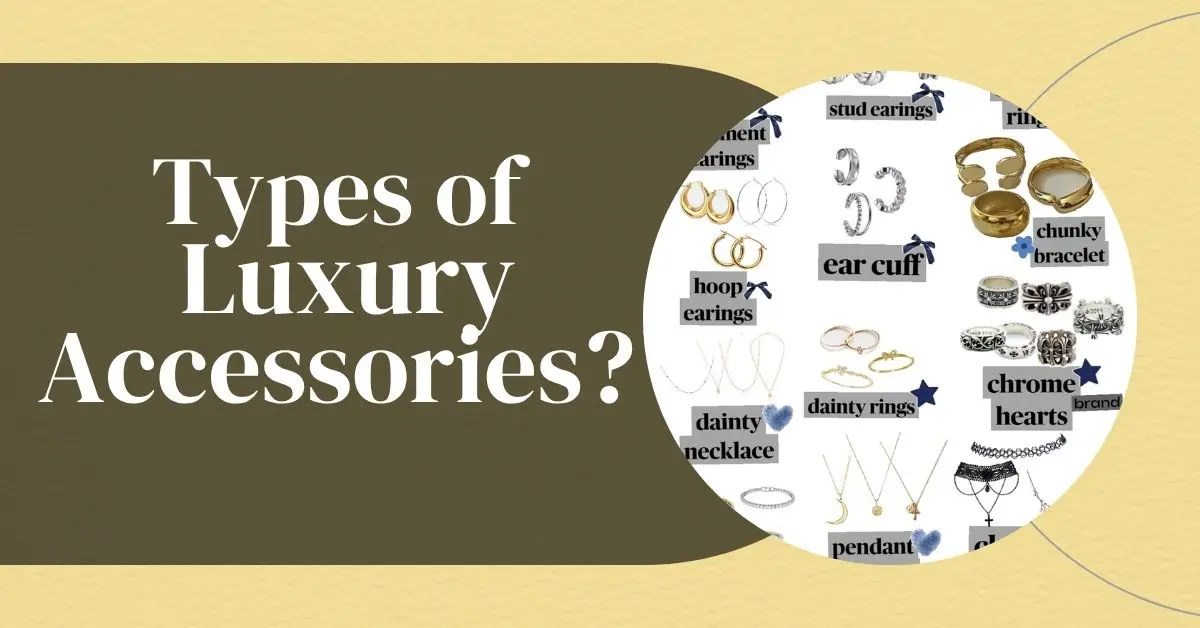
Jewelry adds character and elegance. It includes rings, bracelets, necklaces, earrings, brooches, and chains. Fine jewelry often uses gold, platinum, pearls, diamonds, or colored stones.
For beginners, subtle pieces are easier to wear. A thin gold bracelet, small diamond studs, or a simple signet ring can look tasteful without feeling loud.
Check purity, stone quality, weight, setting, and certification before buying.
Step 3: Choose Handbags and Leather Goods
Handbags, wallets, cardholders, and clutches are practical designer accessories. They carry essentials and improve style.
Look for:
- Full-grain or top-grain leather.
- Strong stitching.
- Smooth zippers.
- Solid hardware.
- Functional compartments.
- Classic colors.
A structured bag can polish a simple outfit. A slim wallet is also smart because it is used daily.
Step 4: Add Belts for a Finished Look
A belt may seem small, but it can balance an outfit. Luxury belts often use leather, suede, exotic skins, or woven materials.
Choose a belt that matches your shoes or bag. For professional looks, avoid huge logos.
Step 5: Use Scarves, Shawls, and Ties
Silk scarves, cashmere shawls, and fine ties are premium fashion accessories that add color, texture, and personality.
A silk scarf can dress the neck, a bag handle, or hair. A luxury tie can sharpen business clothing.
Step 6: Select Sunglasses and Eyewear
Luxury sunglasses protect the eyes and frame the face. Good eyewear should match your face shape.
Popular styles include aviator, square, cat-eye, round, rectangular, and oversized. Quality lenses need UV protection.
Avoid buying sunglasses only because of the logo. Fit matters more than branding.
Step 7: Consider Luxury Shoes
Shoes are clothing, but they also act like major accessories. Luxury shoes include loafers, heels, boots, sneakers, sandals, and dress shoes.
Quality shoes use better leather, soles, lining, and construction. Black loafers or classic pumps can work with many outfits.
Step 8: Try Small Luxury Lifestyle Accessories
Luxury lifestyle accessories include perfumes, pens, phone cases, travel bags, key holders, cosmetic pouches, and card cases.
A signature perfume can become part of your identity. A leather tech case keeps devices protected.
Step 9: Build a Balanced Collection
Do not buy everything at once. Start with the items you will use most. A balanced starter collection may include:
- One everyday watch.
- One leather wallet.
- One quality belt.
- One pair of sunglasses.
- One signature fragrance.
- One formal or daily bag.
This keeps spending controlled.
Benefits of Luxury Accessories
- They improve basic outfits without needing a full wardrobe change.
- They often last longer because of better materials and construction.
- They can help create a polished personal image.
- Some pieces hold resale value when kept in good condition.
- They offer daily confidence through beauty, comfort, and quality.
- They make gifts feel more meaningful and memorable.
- They allow people to express taste without saying much.
- They can become heirlooms when carefully maintained.
Disadvantages / Risks
- Luxury accessories can be expensive, especially for beginners.
- Counterfeit products are common in popular categories.
- Trendy pieces may lose appeal quickly.
- Maintenance, repairs, polishing, and servicing can cost extra.
- Some items need careful storage to avoid scratches, stains, or fading.
- Overspending on logos can make style look forced.
- Resale value is not guaranteed for every brand or model.
- Poor buying decisions may lead to regret.
Common Mistakes to Avoid
One common mistake is buying only for status. A famous logo will not help if the item does not fit your style or daily needs. Choose pieces that feel natural with your wardrobe.
Another mistake is ignoring quality details. Always check stitching, weight, finish, comfort, lining, and packaging. With watches, understand service needs. With leather goods, learn how the leather will age.
Many beginners also buy too many statement pieces. If every item is loud, the outfit can look crowded. Mix one bold accessory with simple clothing.
Avoid fake luxury items. They may look similar at first, but they usually lack durability, finishing, and ethical production. They can also damage your personal image.
Finally, do not skip care. Store bags in dust bags, keep jewelry dry, clean sunglasses with proper cloth, and service watches when needed.
FAQs
What are the most popular types of luxury accessories?
The most popular categories include watches, handbags, jewelry, sunglasses, belts, wallets, scarves, shoes, perfumes, and travel goods. These categories are popular because they are both stylish and useful. Watches and handbags are often seen as investment pieces, while sunglasses, belts, and perfumes are easier entry points for beginners.
Which luxury accessory should I buy first?
Start with something you will use often. A leather wallet, classic watch, quality sunglasses, or signature fragrance is a safe first choice. These items fit daily life and do not require a complete style change. If your lifestyle is formal, choose a watch or belt. If you travel or attend events, a bag or perfume may be more practical.
Are designer accessories always worth the money?
Not always. Designer accessories are worth it when they offer strong materials, timeless design, comfort, and long-term use. They are less worth it when the price is based mostly on hype or a seasonal trend. Before buying, compare quality, purpose, care needs, and how often you will use the item.
How can I spot good quality luxury accessories?
Look closely at the details. Good leather feels rich and flexible. Stitching should be even. Metal hardware should feel solid, not hollow. Jewelry should have clear markings. Sunglasses should sit comfortably and protect the eyes. Packaging alone does not prove quality, so focus on the item itself.
Can luxury accessories be worn every day?
Yes, many luxury accessories are designed for everyday use. A watch, wallet, belt, perfume, or simple bracelet can become part of your daily routine. However, delicate jewelry, evening bags, silk scarves, and special shoes may need careful handling. Daily pieces should be durable, comfortable, and easy to match.
How many luxury accessories does a beginner need?
A beginner does not need many pieces. Five or six well-chosen items are enough to build a strong base. Focus on quality over quantity. A watch, wallet, belt, sunglasses, fragrance, and versatile bag can cover most situations. Add more only when you understand your personal style better.
Expert Tips & Bonus Points
Buy slowly. The best collections are built over time, not in one shopping trip. Study your lifestyle before choosing pieces.
Stick to neutral colors for first purchases. Black, brown, beige, silver, gold, and navy are easier to match.
Keep receipts, authenticity cards, boxes, and dust bags. These help with care, resale, and verification.
Try items in person when possible. Fit, weight, comfort, and proportion are difficult to judge from photos.
Choose timeless shapes before seasonal designs. Classic pieces usually work for more years.
Set a budget before shopping. Luxury should feel enjoyable, not financially stressful. Before paying, imagine three outfits where the item works. If you cannot name them quickly, wait.
Conclusion
The world of types of luxury accessories becomes much easier when you understand the main categories and their purpose. Watches bring structure and elegance. Jewelry adds personal beauty. Bags, wallets, and belts offer both function and refinement. Scarves, ties, and sunglasses create personality. Shoes, perfumes, travel goods, and lifestyle pieces complete the experience in a practical way.
You do not need a large collection to look stylish. A few well-selected pieces can make a bigger impact than many random purchases. Start with accessories you will use often, choose quality over hype, and avoid buying only for logos. Pay attention to materials, comfort, craftsmanship, care, and how each item fits your wardrobe.
Luxury should feel personal, calm, and useful. The right accessory should support your lifestyle, not control it. Build slowly, compare carefully, and choose pieces that work with your real clothes, not just your wish list. Whether you prefer quiet elegance or bold designer accessories, your best choices are the ones that feel authentic, practical, and lasting. With this knowledge, you can shop with confidence and build a collection that reflects your taste, routine, and long-term goals for years. Keep your choices easy to repeat, because repeated use is the real sign of smart luxury.
