

Introduction
Fashion changes quickly, but some trends create a lasting impact because they represent culture and self-expression. A graffiti street outfit is one of those styles. It mixes bold colors, creative patterns, relaxed clothing, and confidence. Instead of following strict fashion rules, this style allows people to show personality through clothing choices. It comes from city culture where music, art, dance, and street creativity naturally blend together.
Today, the graffiti street outfit trend is becoming popular among beginners and experienced fashion fans. People enjoy it because it feels expressive, comfortable, and easy to personalize. Whether someone prefers oversized hoodies, printed jackets, colorful sneakers, or artistic accessories, there are many ways to build a look.
At the same time, understanding this fashion style is important before buying random pieces. Wearing street-inspired clothes without balance can create a messy appearance. Learning the basics helps you create a clean, stylish outfit that still looks authentic.
This guide explains everything in simple terms. You will learn what the style means, why it matters, how to create it step by step, common mistakes to avoid, useful tips, and practical examples.
What is graffiti street outfit?
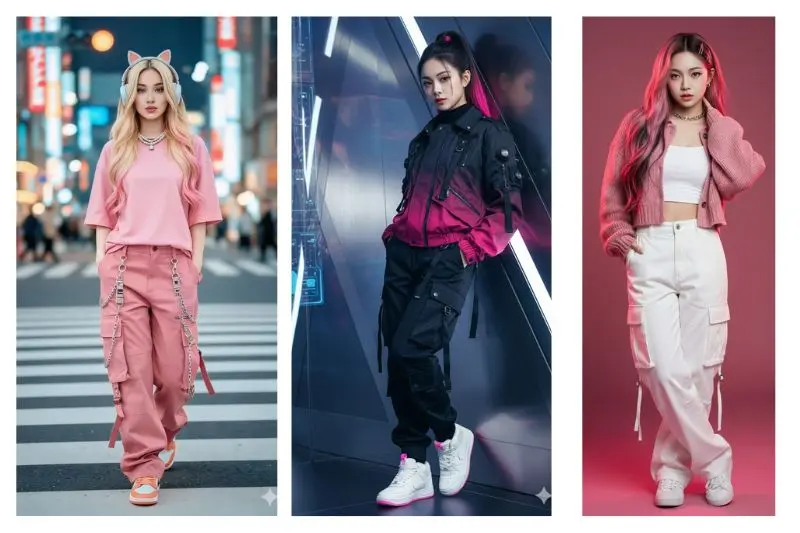
A graffiti street outfit is a fashion style inspired by street art and city culture. It often combines oversized clothing, colorful designs, graphic prints, sneakers, caps, layered items, and artistic details.
This look developed from urban communities where creativity played a major role. Graffiti artists, dancers, skateboarders, and music communities influenced clothing choices over time. Their style focused less on expensive fashion and more on originality.
Common elements include:
- Oversized hoodies
- Loose cargo pants
- Graphic shirts
- Spray-paint inspired prints
- Bright color combinations
- Stylish sneakers
- Layered accessories
Many people also use graffiti-inspired apparel to create visual impact. The goal is not simply wearing bright clothes. Instead, it is creating a balanced appearance that reflects personality.
Why is graffiti street outfit Important?
Fashion is not only about appearance. Clothing often tells a story before a person even speaks. A graffiti street outfit matters because it supports self-expression and creativity.
This style also connects people with modern youth culture. Music scenes, dance groups, artists, and content creators often use elements of streetwear fashion because it feels relaxed and expressive.
Important reasons include:
- Encourages creativity
- Allows personal identity
- Supports comfort
- Works for different body types
- Fits casual social situations
- Combines fashion and art
Many people also enjoy urban style clothing because it can be adjusted for different seasons and budgets.
Detailed Step-by-Step Guide
Step 1: Start with a Statement Top
Every outfit needs a strong starting point. In many cases, the top becomes the center of attention.
Choose:
- Oversized hoodies
- Graphic shirts
- Printed sweatshirts
- Street art jackets
For example, a black hoodie with colorful artwork can immediately create a strong style direction.
Step 2: Pick Relaxed Bottoms
Tight clothing usually does not match this look. Relaxed shapes often work better.
Good choices include:
- Cargo pants
- Loose jeans
- Joggers
- Wide-leg pants
Neutral colors help balance loud tops.
Step 3: Choose the Right Sneakers
Shoes play a major role in a graffiti street outfit. Sneakers complete the overall appearance.
Look for:
- Chunky soles
- High-top designs
- Bold color accents
- Limited designs
Clean shoes create a better final result.
Step 4: Add Layers
Layering adds depth and style.
Popular choices include:
- Denim jackets
- Overshirts
- Flannel shirts
- Lightweight bomber jackets
For example, wearing a printed shirt under a jacket creates visual contrast.
Step 5: Add Accessories Carefully
Accessories should support the outfit rather than overpower it.
Consider:
- Caps
- Rings
- Chains
- Crossbody bags
- Watches
Choose one or two items instead of wearing everything together.
Step 6: Keep Color Balance
Many beginners think bright colors should appear everywhere. However, balance matters.
Try a simple rule:
- One bold item
- One neutral item
- One supporting color
This keeps the outfit interesting without looking chaotic.
Step 7: Create Your Own Identity
The final step is personalization.
You can include:
- Customized patches
- Hand-painted details
- Unique shoelaces
- Vintage pieces
Personal style often separates average outfits from memorable ones.
Benefits of graffiti street outfit
- Comfortable for daily wear
- Allows freedom of expression
- Easy to personalize
- Works with many body types
- Matches modern streetwear fashion trends
- Supports creativity
- Suitable for different seasons
- Can mix affordable and premium pieces
- Makes outfits visually interesting
- Helps people create a unique identity
- Disadvantages / Risks
- Bold styles may not fit every event
- Too many colors can appear messy
- Trend copying can reduce originality
- Some oversized pieces may feel uncomfortable
- Quality graphic items can become expensive
- Excess accessories can overpower outfits
- Fashion trends may change quickly
- Poor combinations can look unbalanced
Common Mistakes to Avoid
Beginners often become excited and buy many items at once. However, a few mistakes repeatedly appear.
Buying only loud pieces creates visual overload. A better approach mixes bold and simple clothing.
Ignoring fit is another issue. Oversized clothing should look intentional rather than extremely large.
Many people also copy influencers completely. Inspiration helps, but personal identity matters more.
Another mistake is forgetting color coordination. Even artistic clothing needs balance.
Finally, avoid poor-quality materials. Cheap graphics sometimes fade after a few washes.
Another mistake is following every social media trend without thinking about body shape and comfort. Clothing that looks great on one person may not create the same result for another person. Testing pieces before buying can prevent wasted money and disappointment.
People also forget that confidence affects style. Even the most expensive outfit can appear weak if the person wearing it feels uncomfortable. Choose pieces that match your personality and lifestyle.
Some beginners purchase fake designer products because they believe labels create better fashion. However, strong style usually comes from creativity rather than logos.
Pay attention to clothing condition as well. Wrinkled shirts, dirty sneakers, and damaged accessories can reduce the impact of a carefully planned outfit.
A simple checklist can help:
- Check color balance
- Confirm proper fit
- Keep shoes clean
- Avoid too many accessories
- Wear comfortable pieces
- Add one personal touch
- Real Outfit Examples for Inspiration
Seeing examples often makes learning easier. Beginners can use simple combinations before experimenting with complex looks.
Example one:
- White graphic oversized shirt
- Black cargo pants
- White sneakers
- Small chain necklace
- Black cap
Example two:
- Spray-paint print hoodie
- Light blue loose jeans
- Chunky sneakers
- Crossbody bag
Example three:
- Printed jacket
- Plain white shirt
- Wide-leg pants
- High-top shoes
These examples show that not every item needs bright colors. Balance creates stronger results.
Seasonal Styling Ideas
Weather affects fashion choices, so adjusting outfits by season helps maintain comfort.
Spring ideas:
- Lightweight jackets
- Relaxed shirts
- Soft colors
- Breathable sneakers
Summer ideas:
- Loose shirts
- Shorts with graphic details
- Lightweight fabrics
- Comfortable shoes
Fall ideas:
- Layered hoodies
- Cargo pants
- Denim jackets
- Earth-tone colors
Winter ideas:
- Oversized coats
- Thick hoodies
- Beanies
- Layered sweatshirts
Seasonal changes allow people to refresh style without changing their identity.
Understanding Color Psychology
Colors create emotional reactions and visual effects. Learning basic color psychology can improve outfit planning.
Black often creates a strong and confident look. White feels clean and simple. Red attracts attention and creates energy. Blue can feel calm while yellow appears playful and creative.
People creating a graffiti street outfit often combine bright and neutral shades. This combination keeps the outfit expressive without becoming overwhelming.
For example:
- Black pants with colorful shoes
- Gray hoodie with red artwork
- White shirt with blue graphics
Simple color planning creates major improvements.
How Social Culture Influences Street Style
Street fashion rarely develops inside fashion studios. Instead, it grows from communities, daily experiences, and creative spaces.
Music genres often influence clothing trends. Dance communities create movement-friendly styles. Skate culture encourages practical and comfortable clothing. Artists introduce visual creativity into fashion.
As a result, many modern trends start at street level before becoming popular worldwide.
People interested in streetwear fashion often enjoy learning about culture because it creates stronger understanding and appreciation.
Building a Wardrobe Slowly
Many beginners believe they need a complete collection immediately. However, building a wardrobe gradually usually creates better results.
Start with essentials:
- One oversized hoodie
- Two graphic shirts
- One pair of cargo pants
- One pair of sneakers
- One jacket
After using these items, identify favorite colors and styles.
Next, add statement pieces slowly.
Building fashion over time saves money and reduces unnecessary purchases.
Budget-Friendly Shopping Ideas
Looking stylish does not always require expensive products.
Useful shopping options include:
- Vintage stores
- Local markets
- Seasonal sales
- Outlet stores
- Clothing swaps
- Online discount shops
Sometimes affordable items create stronger outfits than expensive products.
Before buying something, ask simple questions:
- Do I really like this item?
- Can I wear it with several outfits?
- Will I still enjoy it after a few months?
- These questions help prevent impulse shopping.
Personal Style Growth Journey
Fashion skills improve with practice. Almost nobody develops perfect style immediately.
At first, people often copy celebrities or content creators. Later, they begin adjusting colors, silhouettes, and accessories according to personal taste.
That transition matters because individual identity creates memorable fashion.
Take photos occasionally and compare older outfits with newer combinations. Progress becomes easier to notice.
Learning style is similar to learning any skill. Small improvements create long-term results.
More Practical Style Advice
Keep comfort as a priority. Clothing that restricts movement can reduce confidence.
Also, remember proportions. If the top is oversized, slightly fitted bottoms sometimes create balance. If pants are extremely loose, a cleaner top may work better.
Experiment carefully with patterns. Graphic prints already attract attention, so adding many competing designs may create confusion.
Finally, remember that details matter. Socks, hats, watches, and bag choices may seem small, but they influence the complete look.
Fashion success often depends on thoughtful details rather than expensive products.
FAQs
Can beginners wear a graffiti street outfit?
Yes. Beginners can start with simple pieces like a graphic shirt, relaxed pants, and sneakers. Small steps help people understand the style naturally.
Is this style expensive?
Not always. Affordable brands and vintage stores offer many useful items. Mixing budget clothing with one statement piece works well.
Does age matter?
No. People of different ages can wear urban style clothing. The key difference is choosing designs that match personal comfort.
Can I wear this style daily?
Yes. Many people wear this style every day because comfort and flexibility are major benefits.
Are accessories necessary?
Accessories are optional. However, small additions often improve overall appearance and create stronger style identity.
What colors work best?
Black, white, gray, red, blue, and bright accent colors often work well. The best choice depends on balance.
Can women and men wear it?
Yes. This style works for everyone. Many clothing pieces are designed as unisex options.
How do I avoid looking overdressed?
Choose one standout item and keep other clothing simple. A colorful hoodie with neutral pants often creates enough impact without making the outfit feel excessive.
Are branded items necessary?
No. Many stylish people mix unknown brands, local products, and vintage finds. Creativity usually matters more than labels.
Style Rules That Beginners Can Follow
Fashion has no strict lawbook, but practical rules often help beginners create stronger outfits.
Rule one: start with neutral foundations. Black, gray, white, and denim pieces combine easily with brighter elements.
Rule two: focus on proportions. Oversized does not mean shapeless. Clothing should still create structure.
Rule three: avoid buying duplicates immediately. Test different cuts and materials before building a large collection.
Rule four: take inspiration from many places. Music, photography, art, and everyday people can provide ideas.
Rule five: remember comfort and movement. Clothing should support daily life rather than create stress.
Why Confidence Changes Everything
People sometimes believe style depends only on clothes. In reality, confidence changes how clothing appears.
Someone wearing simple items with confidence often creates stronger visual impact than a person wearing expensive fashion without comfort.
Confidence does not mean acting loudly. It simply means feeling comfortable with clothing choices.
One useful method involves wearing new styles gradually. Start with one bold piece before trying complete transformations.
This process reduces pressure and helps people adapt naturally.
Understanding Fabric Choices
Fabric affects comfort, appearance, and durability. Beginners often focus only on color and graphics while ignoring materials.
Cotton works well because it feels comfortable and breathable. Denim provides structure and durability. Fleece hoodies offer warmth during colder seasons.
Some synthetic materials create attractive designs but may feel uncomfortable during long wear.
Reading clothing labels can help people understand fabric quality.
Good materials usually keep shape longer and maintain stronger appearance after washing.
Creating Outfits for Different Situations
A graffiti street outfit can adapt to different environments when styled carefully.
For casual hangouts:
- Graphic shirt
- Cargo pants
- Sneakers
For concerts:
- Oversized hoodie
- Layered jacket
- Accessories
For creative workplaces:
- Clean sneakers
- Relaxed pants
- Minimal graphic elements
For weekend outings:
- Statement jacket
- Plain shirt
- Comfortable shoes
Flexibility is one reason many people enjoy this style.
Long-Term Style Development
Fashion should evolve naturally over time.
Many people begin with trends and later discover personal preferences. Some eventually prefer darker colors. Others become interested in vintage pieces or artistic details.
The goal is not permanent perfection.
The goal is learning what represents you.
People who develop long-term style often experiment while staying connected to personal identity.
That balance creates authenticity and consistency.
Expert Tips & Bonus Points
Experienced fashion lovers usually follow several helpful practices:
- Keep one signature item people remember
- Save outfit photos to track progress
- Mix vintage and modern clothing
- Build outfits around sneakers
- Focus on confidence
- Avoid chasing every trend
- Use layers for visual depth
- Experiment gradually
Bonus tip: People wearing graffiti-inspired apparel often stand out because they create a personal story rather than copying complete looks.
Small Habits That Improve Style
Strong fashion choices often come from daily habits rather than dramatic changes. Small actions repeated over time create visible improvement.
Organize clothing so outfit planning becomes easier. Keep shoes clean and store accessories in one place. Spend a few minutes preparing clothes before important events.
Observe people in public spaces and notice combinations that look balanced. Study colors, layers, and proportions. Inspiration can come from ordinary situations.
Take mirror photos occasionally. Looking at outfit pictures later helps identify strengths and weak areas.
Most importantly, stay patient. Personal style grows gradually. Learning through experimentation creates better results than rushing into every trend. Small improvements made consistently often create impressive long-term changes and stronger confidence.
Another helpful habit involves reviewing your wardrobe every few months. Remove damaged pieces, identify unused items, and organize combinations that already work well together.
You should also pay attention to comfort during daily activities. Walk, sit, and move while trying clothes. An outfit that looks good but feels restrictive may eventually stay inside the closet.
Remember that style is a learning process. Every great dresser made mistakes before discovering personal preferences. Trial and error is normal, useful, and part of growth.
As experience grows, decision-making becomes easier. You begin recognizing favorite colors, shapes, and combinations without overthinking every detail. This natural understanding develops slowly and creates stronger consistency.
Stay curious and continue exploring new ideas. Inspiration from art, music, travel, and everyday life can refresh your wardrobe and introduce unexpected style possibilities.
Keep learning, testing, adjusting, and improving. Progress in fashion usually rewards patience, creativity, observation, and personal confidence over time for lasting growth and better style results.
Conclusion
Fashion becomes more meaningful when it reflects personality and creativity. A graffiti street outfit does more than combine clothing pieces. It creates a visual expression of identity, culture, and confidence. The style gives people freedom to experiment without strict fashion rules.
Beginners sometimes think street style requires expensive clothing or advanced fashion knowledge. In reality, building a good outfit starts with understanding balance. A graphic top, comfortable bottoms, stylish sneakers, and a few accessories can create an impressive result.
Over time, personal taste becomes stronger. People begin discovering favorite colors, preferred fits, and signature items. That process is what makes fashion enjoyable.
Street culture continues influencing global trends because people value authenticity. Instead of copying others completely, use inspiration as a starting point and build your own approach.
Most importantly, remember that confidence matters as much as clothing. Wear pieces that feel natural and reflect your personality. When creativity and comfort work together, your style becomes memorable and unique.
