

Introduction
Is Zara Fast Fashion is a question many shoppers ask before buying trendy clothes from the popular brand. People today want stylish fashion, but they also want to know how clothing is made. Consumers are paying more attention to working conditions, environmental impact, and ethical business practices. As a result, brands are now being examined more closely than ever before.
Zara has become one of the most recognizable fashion companies in the world. It offers affordable clothing and quickly responds to changing trends. Walk into a Zara store, and you may find products inspired by runway styles at prices many people can afford. That speed is one reason for its success.
However, fast growth often creates difficult questions. Can a company produce huge amounts of clothing and still protect workers and the environment? Does affordable fashion always come with hidden costs? These concerns have created ongoing discussions around Zara sustainability and Zara ethics.
In this article, you will learn how Zara operates, whether it fits the fast fashion model, and what actions the company has taken toward sustainability. You will also discover strengths, weaknesses, common myths, and practical tips to help you make smarter shopping decisions.
What is Is Zara Fast Fashion? How Ethical & Sustainable is Zara?
This topic explores whether Zara belongs to the fast fashion industry and how responsible the company is toward people and the planet.
Fast fashion describes a business model where clothing brands create new designs rapidly and sell them at affordable prices. Instead of releasing only seasonal collections, companies continuously introduce fresh items. Zara fast fashion practices are often used as examples in business studies.
The ethical side looks at issues such as:
- Worker treatment
- Factory conditions
- Fair wages
- Supply chain transparency
The sustainability side focuses on:
- Waste reduction
- Carbon emissions
- Water use
- Eco-friendly materials
When people ask if Zara is ethical, they are usually asking if the company balances profit with responsibility.
Why is Is Zara Fast Fashion? How Ethical & Sustainable is Zara Important?
Understanding this topic matters because fashion affects daily life and global systems.
Clothing production influences millions of workers worldwide. It also impacts water use, pollution, transportation, and waste. Fast fashion brands produce huge amounts of clothing every year, which can create environmental pressure.
Consumers are also changing their habits. Many shoppers now read labels, research companies, and compare ethical standards before purchasing clothes.
This topic matters for several reasons:
- It helps people buy more responsibly
- It increases awareness of supply chains
- It encourages brands to improve standards
- It supports long-term environmental goals
- It promotes informed shopping decisions
When customers ask questions, businesses often respond with changes.
Detailed Step-by-Step Guide
Step 1: Understand Zara’s Business Model
Zara belongs to Inditex, one of the world’s largest fashion groups.
Unlike traditional clothing companies, Zara releases new products constantly. Designs move from idea to stores very quickly. This rapid process keeps collections fresh and encourages repeat shopping.
Because trends change quickly, Zara can react faster than many competitors.
Step 2: Learn Why Zara Is Considered Fast Fashion
Many experts classify Zara under the Zara fast fashion model because of its speed and production style.
Key characteristics include:
- Rapid trend production
- Frequent inventory updates
- Affordable pricing
- High product turnover
- Large global reach
Traditional fashion brands may release only a few collections yearly. Zara can release new styles much more often.
Step 3: Examine Zara Sustainability Efforts
Over time, Zara sustainability initiatives have increased.
The company has announced several environmental goals designed to reduce impact.
Examples include:
- Using more recycled fabrics
- Increasing renewable energy use
- Reducing plastic packaging
- Improving store efficiency
- Expanding clothing collection programs
Some Zara products now include labels connected with lower-impact materials.
Still, critics say goals and actual outcomes can differ.
Step 4: Look at Ethical Concerns
Zara ethics discussions often focus on manufacturing and labor practices.
Large fashion companies usually rely on global supply chains. Monitoring thousands of factories can be difficult.
Common concerns include:
- Worker wages
- Factory conditions
- Outsourced production
- Transparency challenges
- Labor rights protection
Even when companies create rules, enforcement remains a challenge.
Step 5: Study Transparency Reports
Many companies now publish sustainability reports.
These reports can reveal:
- Environmental targets
- Factory information
- Progress updates
- Supply chain practices
- Future plans
Reading reports allows consumers to compare promises with actions.
Step 6: Compare Zara with Other Fashion Brands
Comparisons provide useful context.
Some brands focus heavily on low prices and fast trends. Others prioritize slow fashion and long-lasting products.
Zara sits somewhere in the middle for many observers. It has sustainability programs but still operates within a large fast fashion system.
Step 7: Decide as a Consumer
After learning the facts, buyers can make personal decisions.
Some shoppers continue buying from Zara while purchasing less frequently. Others choose secondhand clothing or slow fashion alternatives.
The goal is understanding the trade-offs behind every purchase.
Benefits of Is Zara Fast Fashion? How Ethical & Sustainable is Zara
Learning about this topic offers several advantages:
- Helps shoppers understand how fashion systems work
- Builds awareness of ethical concerns
- Encourages smarter buying habits
- Improves understanding of Zara sustainability goals
- Supports environmentally conscious choices
- Helps identify marketing claims
- Encourages long-term thinking
- Promotes consumer responsibility
Knowledge creates better decisions.
Disadvantages / Risks
There are also risks and concerns linked to Zara and fast fashion discussions:
- Fast production may increase waste
- Large supply chains are difficult to monitor
- Sustainability promises can create confusion
- Trend-based shopping may encourage overconsumption
- Affordable clothing can lead to impulse buying
- Transparency gaps may limit accountability
- Environmental impact may remain significant
- Consumers may struggle to verify claims
These concerns explain why debates continue.
Common Mistakes to Avoid
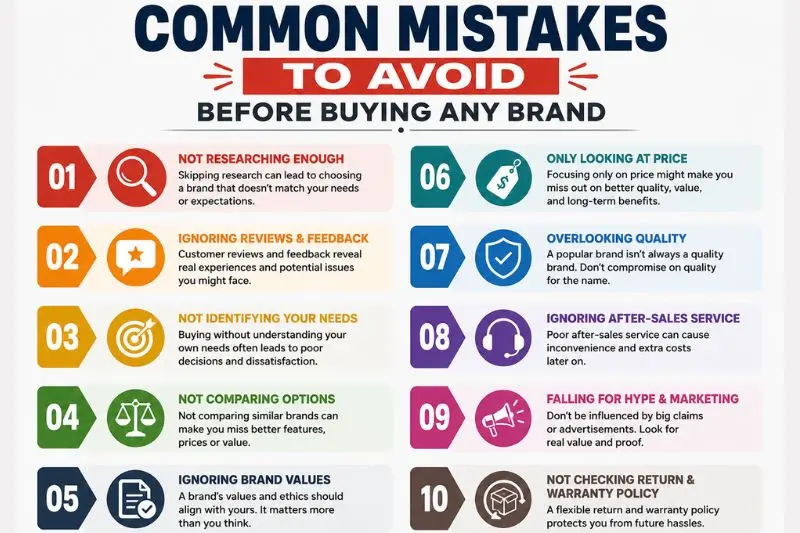
People often misunderstand Zara and fast fashion discussions.
Avoid these common mistakes:
- Assuming all sustainable labels mean fully sustainable products
- A product using recycled material does not automatically become completely eco-friendly.
- Believing one company can solve industry problems alone
- Fashion systems involve factories, suppliers, transportation, and consumers.
- Ignoring shopping habits
- Consumer behavior also contributes to waste and demand.
- Thinking fast fashion and ethical fashion are always separate categories
- Some brands operate with mixed approaches.
- Trusting marketing without research
- Always compare company statements with independent information.
FAQs
Is Zara officially considered a fast fashion brand?
Yes. Most experts consider Zara a fast fashion company because it creates and distributes trendy products quickly. Frequent product releases and rapid inventory changes fit standard fast fashion definitions.
Why is Zara so popular?
Zara combines fashionable designs with affordable prices. It also reacts quickly to trends. Customers often return because stores frequently receive new products.
Is Zara trying to become more sustainable?
Yes. Zara has announced sustainability goals involving recycled materials, packaging reduction, and environmental improvements. However, opinions differ regarding progress and effectiveness.
Does Zara manufacture its own clothing?
Zara works with suppliers and manufacturers in different countries. Like many large companies, production happens through an international network.
Is Zara better than other fast fashion brands?
Opinions vary. Some observers praise certain Zara sustainability efforts. Others argue the fast fashion model itself creates ongoing environmental concerns.
Can consumers shop more responsibly at Zara?
Yes. Buying fewer items, choosing longer-lasting products, and using clothing longer can reduce environmental impact.
What is slow fashion?
Slow fashion focuses on quality, durability, and responsible production rather than speed and trends.
Expert Tips & Bonus Points
Here are practical ideas for smarter fashion decisions:
- Buy fewer pieces and wear them longer
- Check clothing materials before purchasing
- Repair damaged items when possible
- Consider secondhand shopping
- Read sustainability reports carefully
- Focus on quality over trends
- Wash clothes responsibly to reduce waste
- Avoid impulse purchases
Small actions create meaningful change over time.
Another useful tip is to think beyond brands. Even ethical companies operate within larger systems involving transportation, materials, and consumer demand. Looking at your personal shopping habits can sometimes create a bigger impact than switching brands.
Practical examples can make these ideas easier to understand. Imagine a shopper named Sara who visits Zara every month. She notices new arrivals each time she enters the store. The shelves change often, and limited quantities create urgency. She may feel pressure to buy immediately because she worries products could disappear soon. This approach keeps customers engaged and supports the fast fashion cycle.
Now imagine another shopper named Ahmed. Instead of buying five trendy shirts every season, he buys two quality items and wears them for several years. He also repairs clothing and donates unused pieces. Ahmed still enjoys fashion, but his habits create less waste. This simple example shows that consumers influence the system too.
Fashion experts often explain that sustainability is not only about materials. Many people assume recycled cotton automatically solves environmental problems. In reality, sustainability includes transportation, manufacturing, packaging, labor practices, and product lifespan. A shirt made from better materials may still create environmental impact if production and shipping systems are inefficient.
Another point often overlooked is clothing disposal. Millions of garments end up in landfills every year. Some clothes are worn only a few times before being thrown away. Since Zara releases products rapidly, critics argue the model may encourage short-term use. Supporters, however, say customers ultimately decide how long clothing stays in use.
Some industry observers describe Zara as different from traditional fast fashion companies. They argue Zara manufactures portions of its products closer to major markets. Shorter supply chains can improve response time and reduce certain transportation challenges. Supporters believe this creates advantages compared with slower and more distant production systems.
Still, critics argue that speed itself remains the central issue. Even with efficiency improvements, large production volumes can create environmental strain. Faster consumption often means more resources, more energy use, and more waste generation. That is why many sustainability discussions focus on reducing overall consumption.
The rise of social media has also changed shopping behavior. Trend videos, fashion influencers, and daily outfit content encourage people to seek constant variety. Brands respond to this demand by releasing more products. Zara benefits from trend culture because it can react quickly when styles become popular online.
For example, a fashion trend can spread globally within days. A color, jacket style, or shoe design may suddenly become popular after celebrities or creators wear it. Zara’s system allows rapid production adjustments. Traditional fashion companies with slower schedules may struggle to react at the same pace.
Another important topic involves transparency. Years ago, shoppers rarely asked where clothes came from. Today, consumers increasingly want detailed information about sourcing and labor conditions. Businesses now face pressure to explain how products are made and who makes them.
Transparency does not automatically guarantee ethical behavior. However, public reporting creates accountability. When companies release goals and progress updates, consumers can follow changes over time. Transparency also encourages independent organizations and researchers to evaluate company claims.
Some shoppers become frustrated because ethical shopping can feel complicated. One report may praise progress while another raises concerns. Different organizations use different standards, which creates confusion. That is why comparing multiple sources and perspectives is often helpful.
Price creates another challenge. Sustainable products can sometimes cost more because of material choices, labor standards, and production methods. Many consumers operate within budgets and cannot always prioritize ideal purchasing decisions. Discussions about Zara ethics often include this reality because affordability affects shopping behavior.
There is also a misconception that ethical fashion means giving up style. In reality, responsible shopping does not require abandoning trends completely. Consumers can mix approaches by buying fewer trend pieces and investing in timeless clothing. Small changes often become easier to maintain over time.
Fashion researchers frequently emphasize one idea: the most sustainable clothing item may already be in your closet. Wearing clothes longer extends product life and reduces demand for constant replacement. This concept sounds simple, yet it can significantly influence environmental impact.
Consumers can also organize wardrobes more intentionally. Before shopping, consider asking several questions. Do I really need this item? Will I wear it many times? Does it match clothes I already own? Can I imagine using it after trends change? These questions help reduce unnecessary purchases.
The future of fashion may involve more innovation as well. Companies are experimenting with recycled fibers, resale programs, clothing repair services, and improved manufacturing technology. Some brands are exploring systems designed to reduce waste while maintaining business growth.
Whether Zara becomes more sustainable in the future depends on many factors. Consumer expectations, government regulations, environmental pressure, and industry competition will all play roles. Change rarely happens through one action alone. Instead, progress usually develops through many smaller improvements over time.
Another area worth understanding is greenwashing. This term describes situations where companies appear more environmentally friendly than they actually are. Sometimes businesses highlight a few positive actions while larger problems remain unchanged. Consumers discussing Zara sustainability occasionally raise this concern.
That does not always mean a company is intentionally misleading people. Large organizations can improve in some areas while still facing challenges elsewhere. The important point is examining complete actions instead of relying on one campaign or label.
Seasonal shopping habits also shape the fast fashion conversation. Many people buy clothes for holidays, vacations, or special events and then rarely wear them again. Occasional purchases may seem harmless, but repeated habits across millions of people create substantial demand.
Rental fashion and secondhand marketplaces are becoming more popular because they offer alternatives. Some consumers now rent outfits for special occasions rather than purchasing new items. Others buy used clothing online or in local stores. These approaches can extend the life of garments and reduce waste.
Education plays an important role too. Young consumers are learning more about textile production, environmental impact, and supply chains. Schools, documentaries, and online content have increased awareness. As knowledge grows, expectations for brands may continue changing.
Businesses are paying attention because customer preferences influence profits. When shoppers care about ethical practices, companies often respond with new initiatives and goals. Public pressure can become a powerful force for change across industries.
There is also an emotional side to shopping decisions. Fashion allows people to express personality, creativity, and confidence. That is why discussions about Zara and sustainability are not only about economics or production systems. Clothing connects with identity and lifestyle choices.
Understanding this balance helps explain why the conversation remains complex. People want affordable prices, attractive designs, and ethical production at the same time. Achieving all three perfectly can be difficult. Companies continue searching for ways to satisfy these competing expectations.
For beginners, the most useful starting point is awareness. You do not need to become a fashion expert overnight. Learning basic concepts such as supply chains, sustainability, and consumption patterns creates a stronger foundation for future decisions.
One final lesson involves personal responsibility. People sometimes place all responsibility on brands while ignoring their own behavior. Companies influence production, but consumers influence demand. Every purchase sends a signal about preferences and priorities.
Consider a simple scenario. Two people buy the same jacket from Zara. One wears it twice and forgets it in a closet. The other wears it for three years, repairs small damage, and donates it later. The environmental impact becomes very different despite purchasing the same product.
This example shows why sustainable habits matter. Better choices do not require perfection. Gradual improvements often create stronger long-term results than unrealistic expectations. Thoughtful buying, longer use, and careful research can help create positive change across the fashion industry over time.
Consumers should also remember that progress in fashion usually happens slowly. Large supply chains involve factories, workers, transportation systems, and material suppliers across many countries. Changing those systems requires time, investment, and ongoing oversight.
For that reason, evaluating Zara ethics or any other brand should involve patience and critical thinking. Looking at long-term patterns often provides a clearer picture than reacting to one headline or marketing campaign. Balanced research helps consumers understand both achievements and continuing challenges.
In the end, informed shoppers become stronger decision makers. Asking questions, staying curious, and paying attention to personal habits can create lasting value beyond individual purchases and support a healthier relationship with fashion for people, businesses, communities, and future generations worldwide globally.
Conclusion
Is Zara Fast Fashion remains an important question because fashion choices now involve more than style alone. Modern shoppers increasingly want transparency, ethical practices, and sustainability. They want to understand what happens behind store displays and marketing campaigns.
The evidence shows that Zara generally fits the fast fashion category. Its business model depends on speed, trend responsiveness, and frequent product releases. Those characteristics align closely with industry definitions used by researchers and consumers.
At the same time, Zara sustainability efforts show that the company recognizes growing concerns. Programs involving recycled materials, packaging changes, and environmental goals suggest attempts to improve practices. However, critics continue questioning whether those efforts fully address larger fast fashion problems.
The reality is more complex than a simple yes or no answer. Zara ethics and sustainability discussions involve both progress and criticism. Like many global companies, the brand operates in a space where business growth, consumer demand, and social responsibility intersect.
For shoppers, the most valuable approach is staying informed. Research brands, think carefully before buying, and focus on long-term habits rather than short-term trends. Better decisions from companies and consumers together may help create a more responsible fashion future.
